
Recently, 46,000 tons of premium coking coal from Kazakhstan arrived in China through Alashankou Port without delays. CCIC Northwest Xinjiang Branch worked together with CCIC Nanjing to finish all inspection and customs work for this cargo. This is Xinjiang’s first imported coking coal shipment this year. It also launches a stable large-scale import route for Central Asian coking coal.
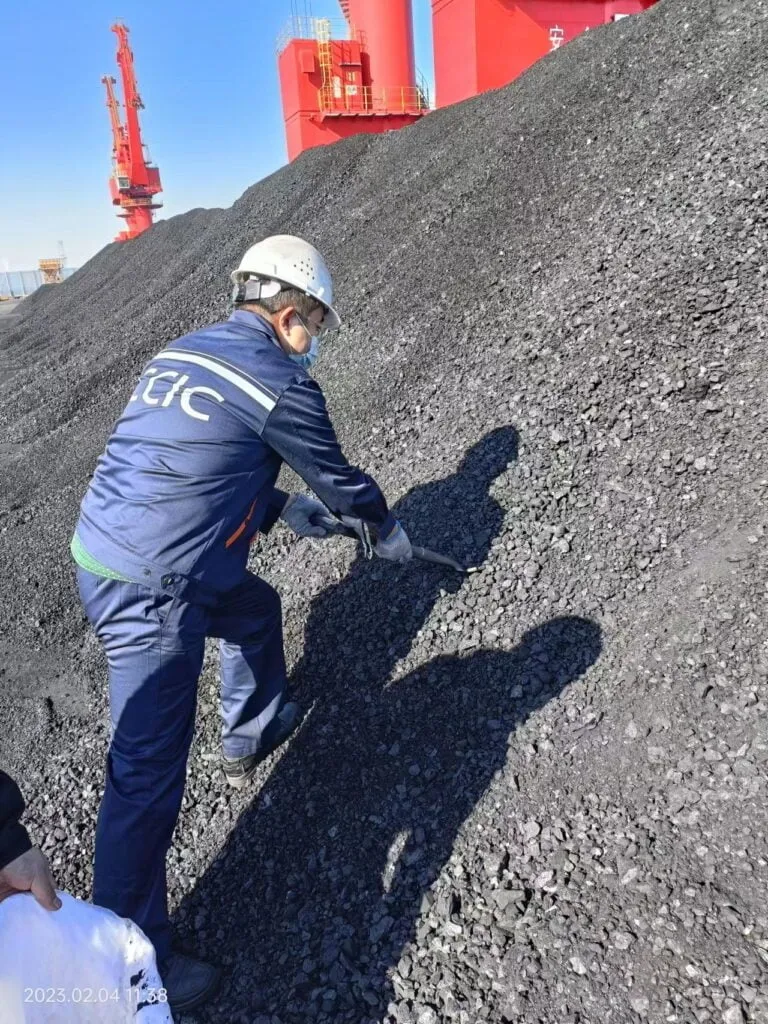
The two teams built a special working group to speed up customs checks for bulk coal. The group follows national standards and customs rules closely. It completes all testing steps: collecting samples, preparing samples and lab tests. Workers strictly check key data such as heat value, sulfur levels and ash content. At the same time, they simplified checking steps to shorten waiting time for customs clearance.
CCIC Xinjiang Branch works right at the port. It offers a full set of services: on-site sample collection, lab testing and official certificates. This way, strict official checks and fast customs processing can both be achieved.
Xinjiang is China’s key westward entry point and main center for energy imported from Central Asia. Regular coking coal imports bring big benefits to the area. This project adds more coal supply ways for Northwest China and improves local energy structure. Besides, this cross-city cooperation creates a new inspection model. The model combines local on-site service in Xinjiang and professional technical support from other branches. It creates a standard case for importing Central Asian energy and shows CCIC’s complete, expert service strength.
In the future, CCIC Northwest will improve its technical support and perfect all service steps for coal imports. The group plans to bring more Central Asian energy to Xinjiang and then ship the resources across the whole country. This will cut buying costs for local companies, push better growth of Xinjiang’s foreign trade and manufacturing industries, and strengthen China’s overall energy supply safety.
<<Previous Article